In a recent UK study, 83% of children couldn’t identify a bumble bee, 82% couldn’t identify what an oak leaf looks like, and 50% failed to recognize a bluebell. Across the western world urban populations have lost touch with their local environment. It might not be necessary for Canadians to know what a Black Eyed Susan looks like, or what butterfly species live in their area, but that doesn’t mean that the local environment has nothing to teach us.
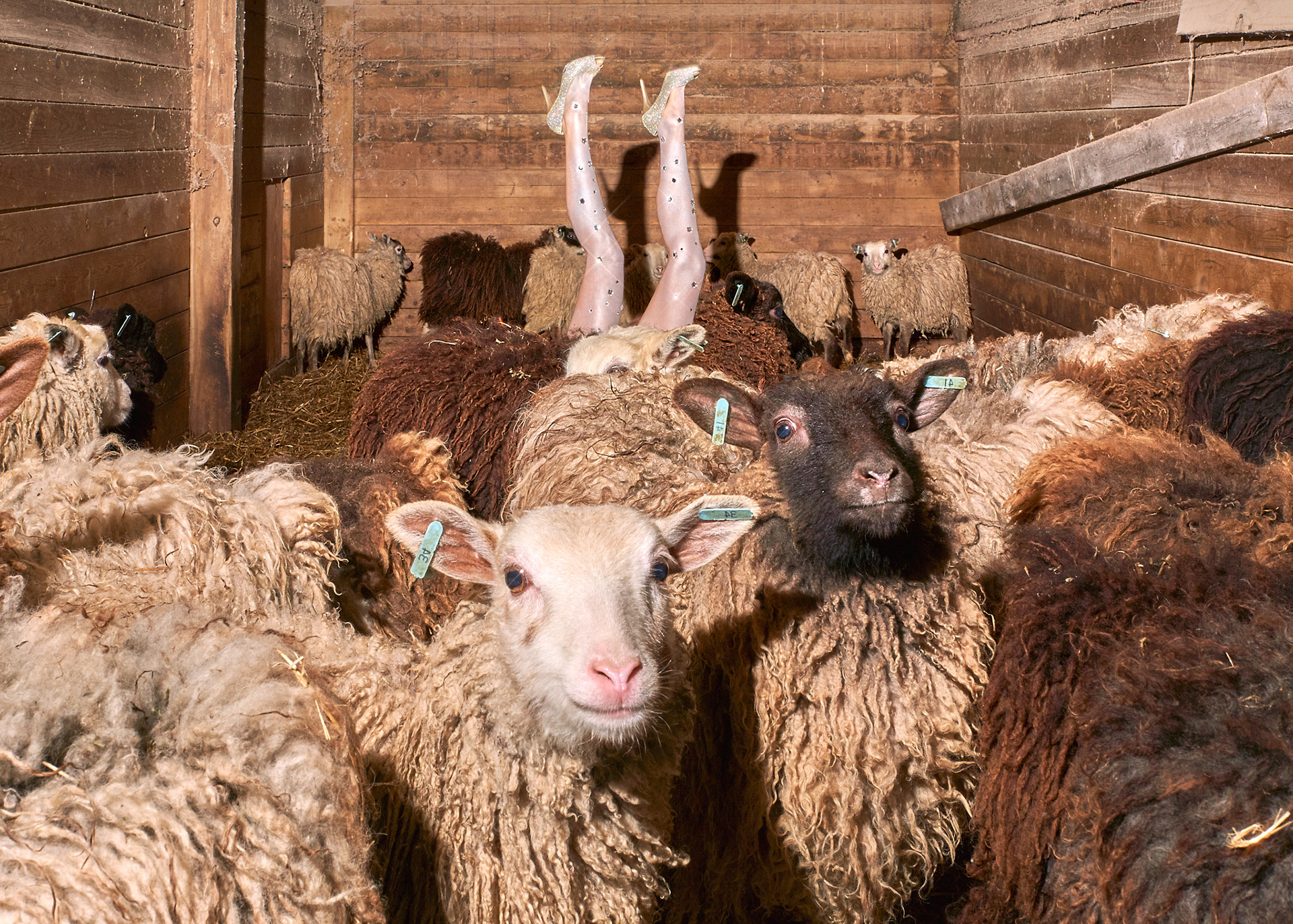
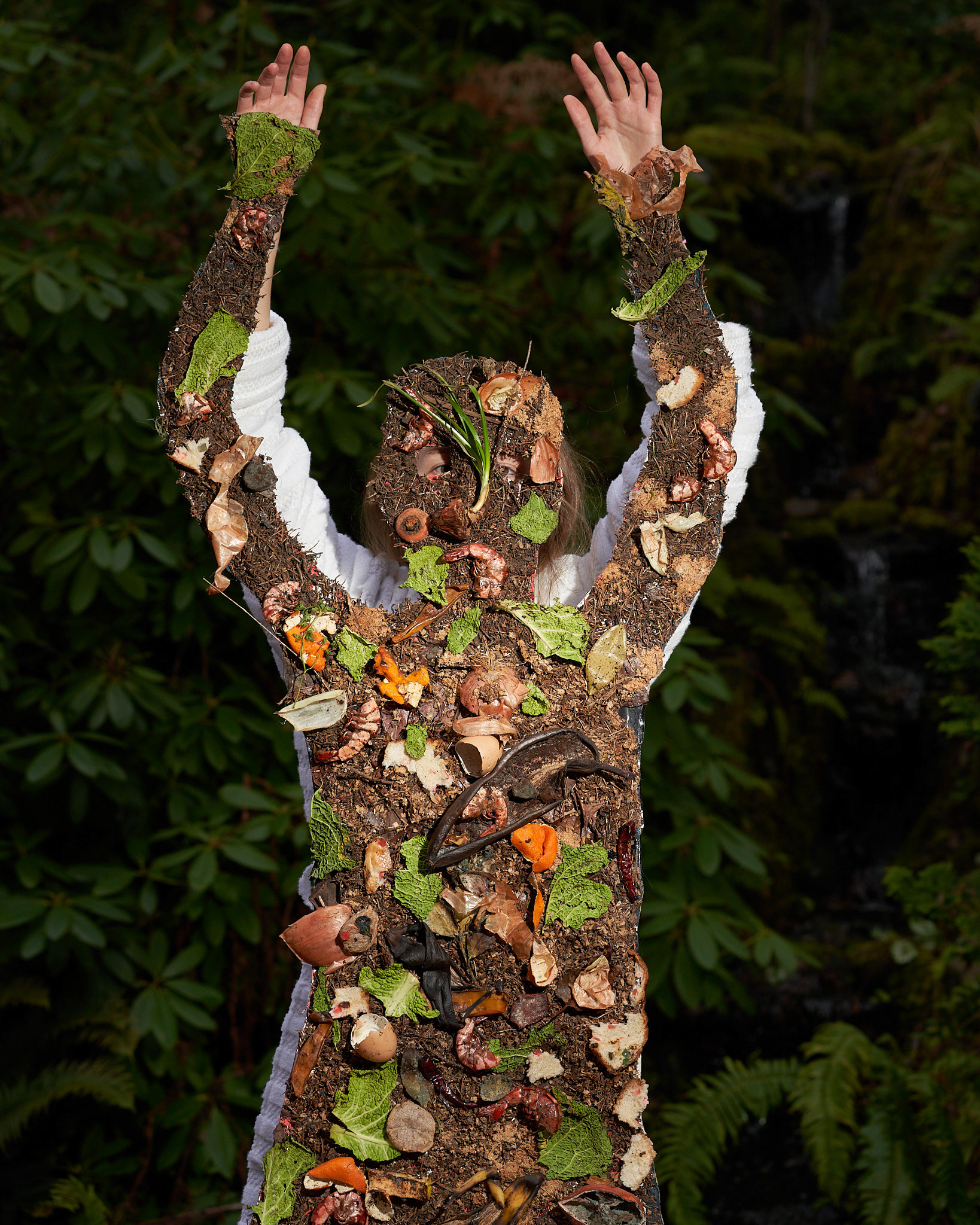
Animal Logic (2020) is a self-portrait series about the artist's personal relationships with urban and suburban animals.
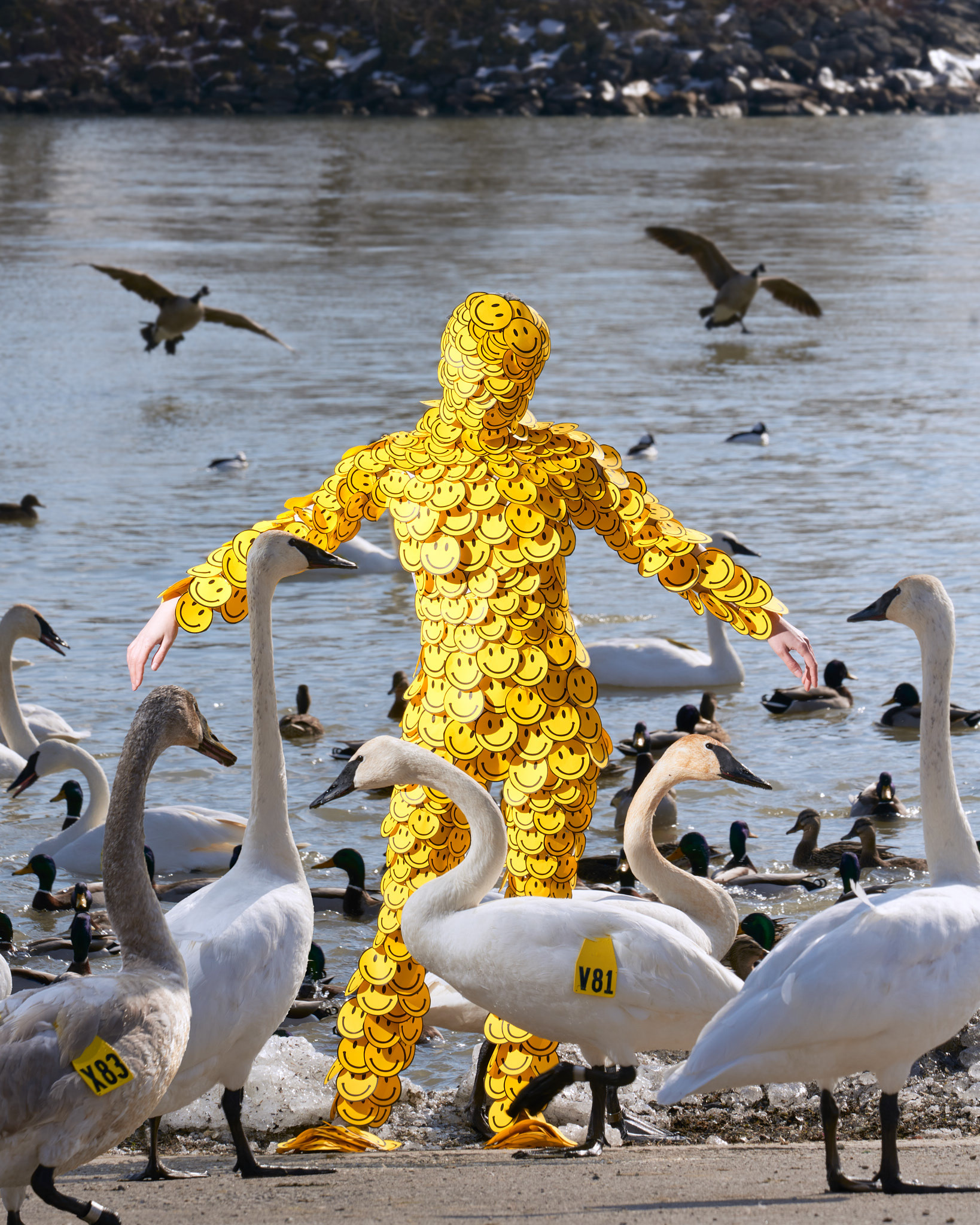
Trumpeter Swans come to a Toronto boat ramp every winter.
Trumpeter Swans are a conservation miracle. The swans were hunted to the brink of extinction, with only 70 birds known to exist by the 1940s. Today, they are a species of Least Concern. They would have probably gone extinct if it weren't for the passionate volunteers who still track, care for, and protect the birds and their habitats to this day.
Biologist Harry Lumsden and a small team travelled as far as Alaska to find swan eggs and flew them back to Ontario to hatch a fledgling population in the province. The program worked. Today you can see and hear trumpeter swans across southern Ontario.
We need more of these stories: real examples of successful conservation happening in our communities for the good of the land and for humanity. Our innate propensity to pay attention to bad events more than good events, our negativity bias, can create a sense of powerlessness if we don't consciously make an effort to keep track of the wins.
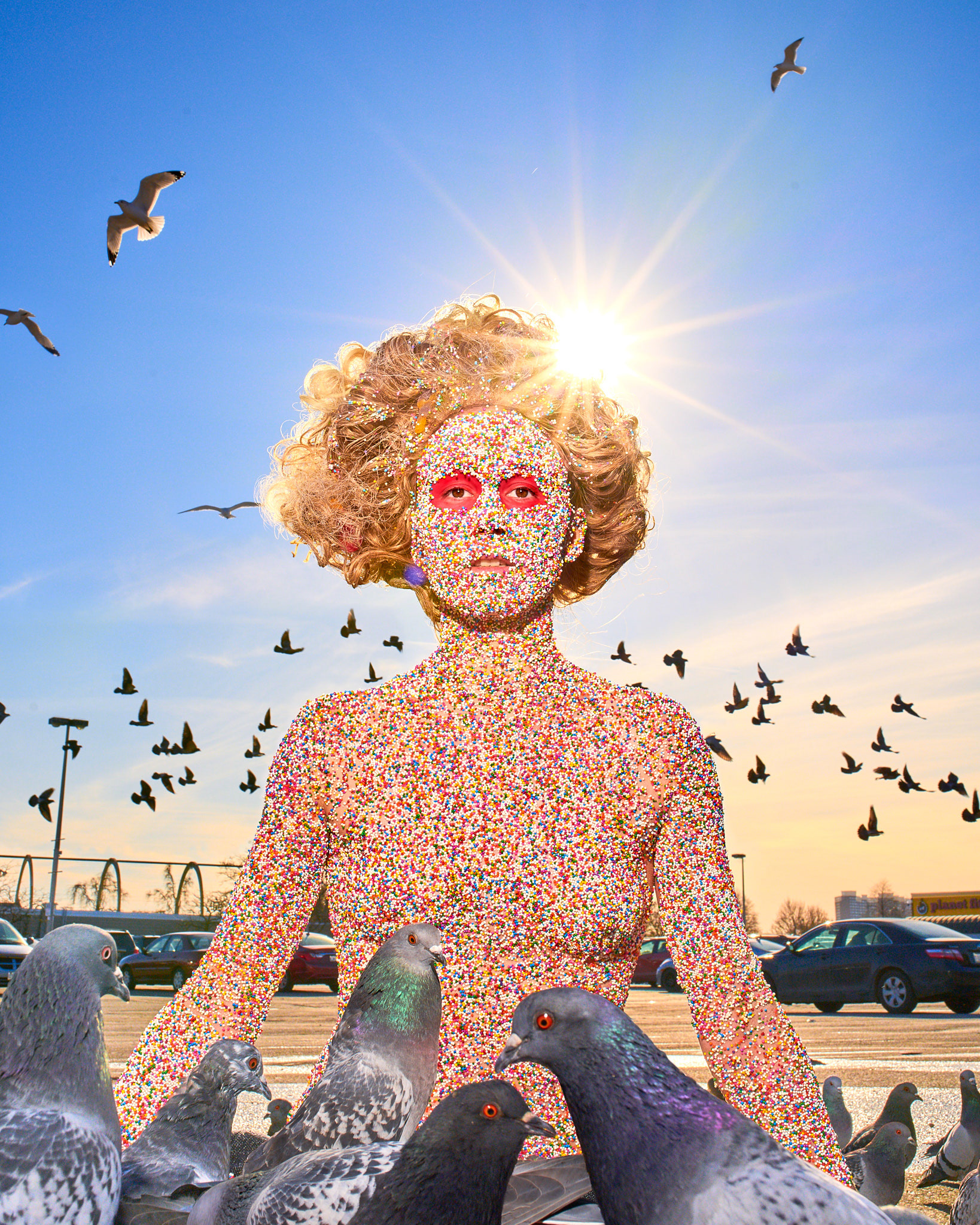
Pigeons are a force of to be reckoned with on every continent except Antarctica. Actually, ‘pigeons’ and ‘doves’ are the same bird: if they’re a nice colour (especially if they’re pure white), or live in a pigeon coop, we call them doves. If they’re picking food scraps and garbage off the street and defecating on public statues, we call them pigeons. They are all largely descendants of birds cared for by Eurasian people, which were used as messengers and as food.
Doves are a symbol of grace and peace, pigeons are considered a pest and a nuisance. How these birds are perceived points to a greater cognitive dissonance between how we 'act' and what our stated 'values' are as a society. If how we live says anything about who we are, then pigeons are a part of our identity and reveal aspects of human nature that are often glossed over.
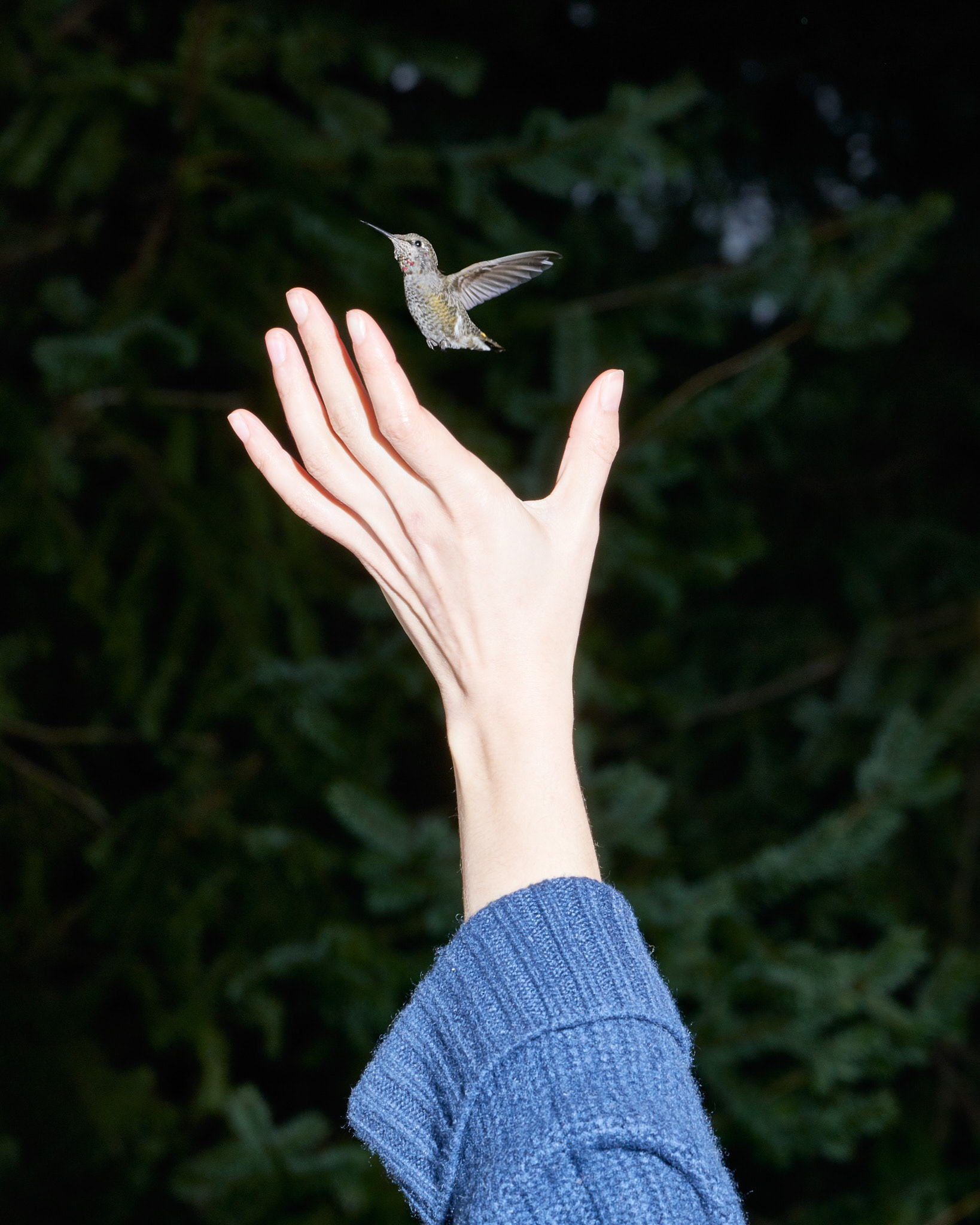
Collective human behaviours can change the environment in surprising ways. Without backyard bird feeders and the widespread planting of exotic ornamental plants, the Anna’s Hummingbird would probably not have been able to expand its range to as far north as we see today. Considered native to Baja and Southern California, the birds now live as far north as Canada thanks to gardeners and bird enthusiasts along the coast. In many ways we engineer the natural world without even realizing it.
Who is to say we can’t use collective action in a more purposeful, targeted way?
It is worth acknowledging that as individuals we can only do so much in the face of broad environmental change and destruction: one diligent recycler is not going to change the world’s plastic waste problem, for instance. Perhaps if we all had a better understanding of where our everyday purchases, such as food, clothes, and basic necessities come from, we would be in a position to better align our actions with our values. When the assumption that humanity and nature are separate is re-examined, it becomes apparent that environmental issues like a warming climate and the waste crisis are actually human rights issues too. Conservation goes beyond protecting 'pristine untouched wilderness' or 'virgin forests'.
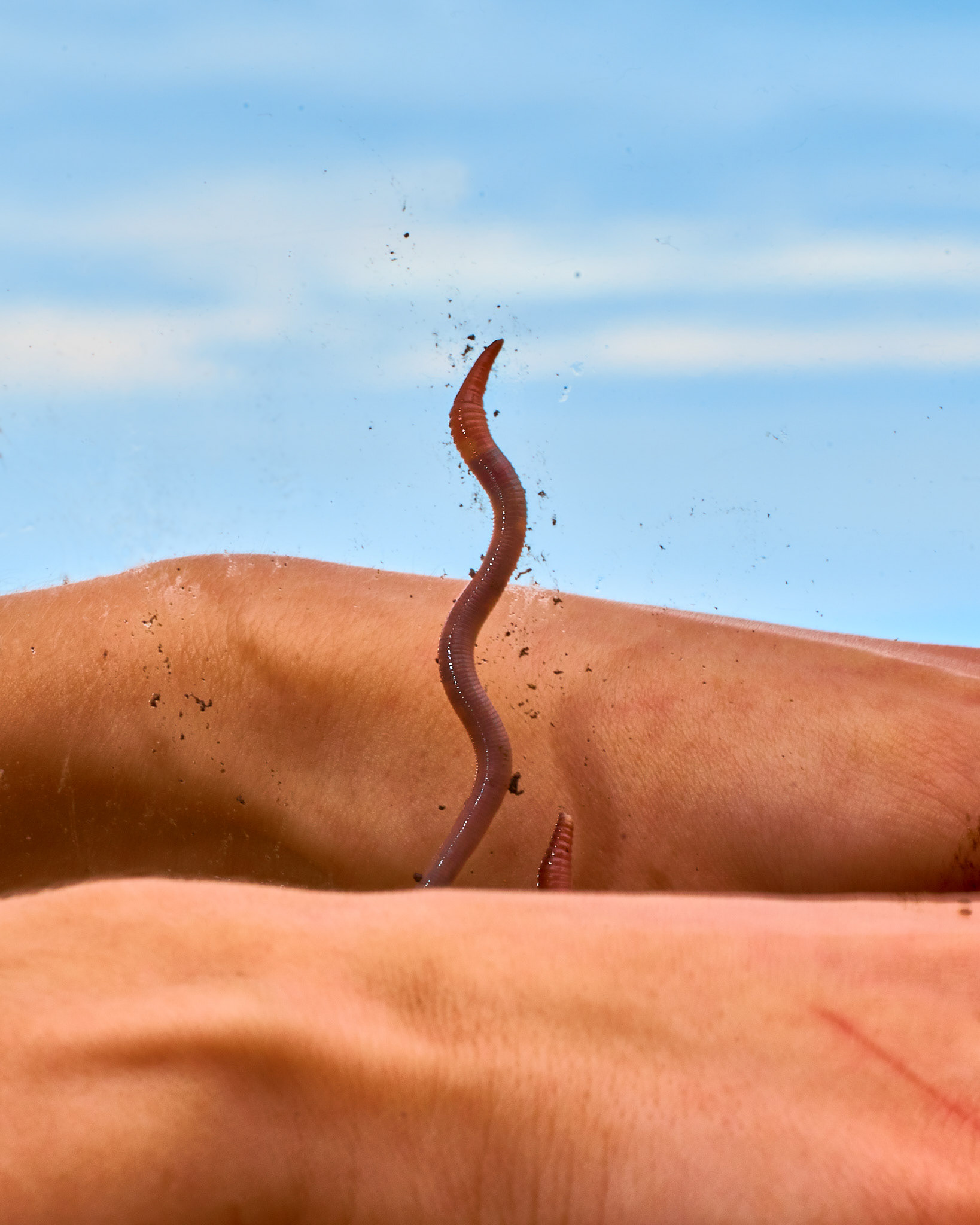
Maybe the line drawn between nature and humankind reflects our inherent difficulty in reckoning with broad incremental changes, like the impact of earthworms on the North American landscape. Before European settlers colonized North America, the soil was almost entirely worm-free. Chances are, if you come across an earthworm in Canada or the US today, it is an imported species from Europe or Asia.
Earthworms are good for farms and gardens but are bad for North American ecosystems, particularly forests, which have evolved to live without them for the past 10,000 years. These introduced worms disturb forest nutrient cycles and cause significant ecological change and socio-economic change. The result is that ecosystems across the continent have been irreversibly changed. Earthworms continue to expand at a rate that is so is slow and incremental that it's almost imperceptible - the changes have occurred over the course of several human lifetimes.
Our collective failure to recognize slow, incremental change in the environment goes beyond what's happening underground. Cats and habitat loss are the two biggest killers of birds in Canada and the US. The number of birds killed by cats exceeds total deaths from pollution, pesticides, window strikes, vehicles, and all other man-made causes combined. North American cats kill between 1 billion and 4 billion birds, 6 billion to 22 billion small mammals, and they have also played a large role in the extinction of at least 33 bird species. Technically speaking, cats should be considered an invasive species.
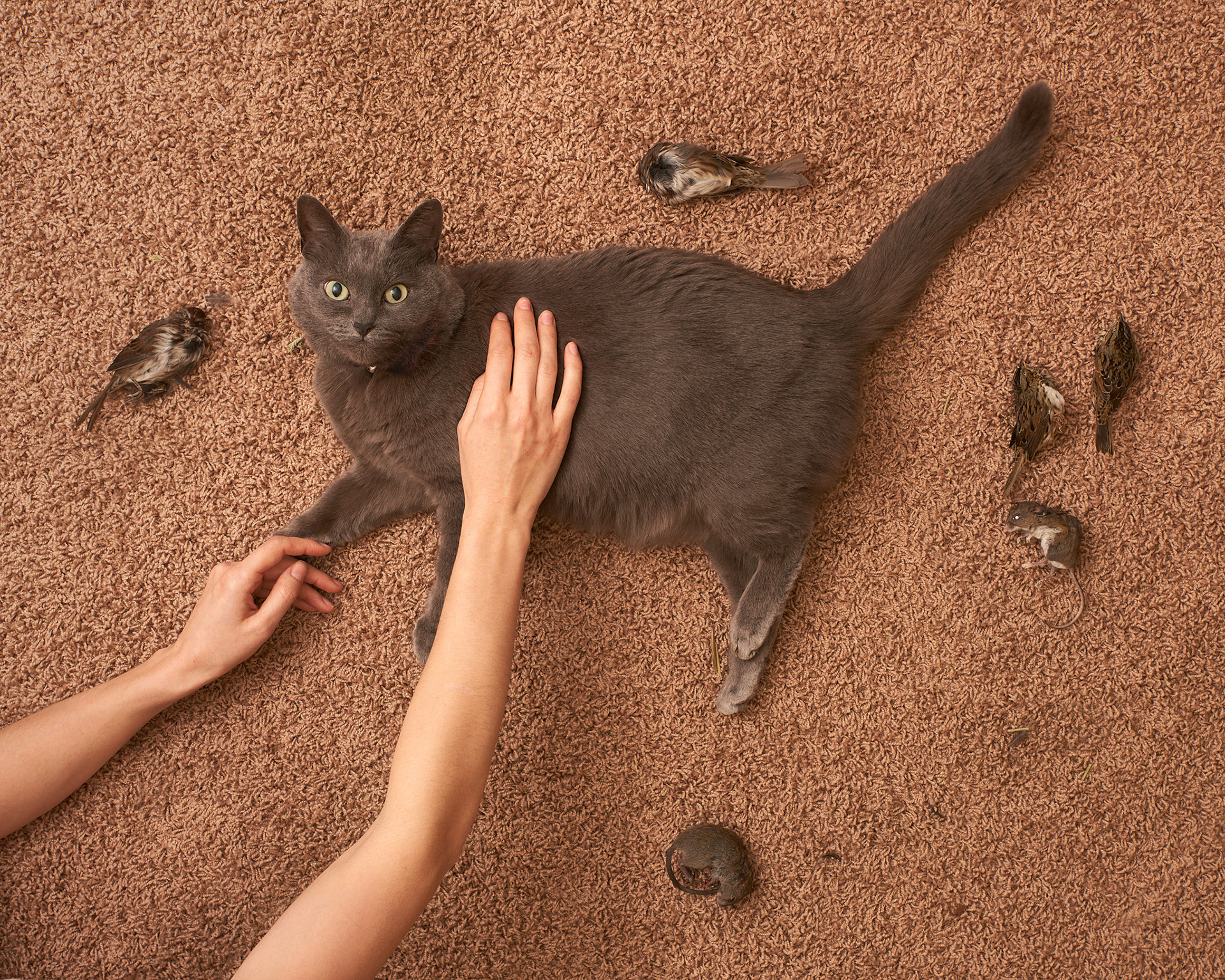
We have chosen to make exceptions when it comes to 'invasive species' that appeal to us on an emotional level (cats) or a practical level (earthworms). This reflects our desire to have insiders and outsiders and to divide things into 'good' and ‘bad' camps, and reveals our discomfort with nuance. By grouping certain successful exotic species into "not invasive" or "invasive" camps, we are giving one set of animals, like cats, a free pass for un-scientific reasons while punishing another species with extermination.
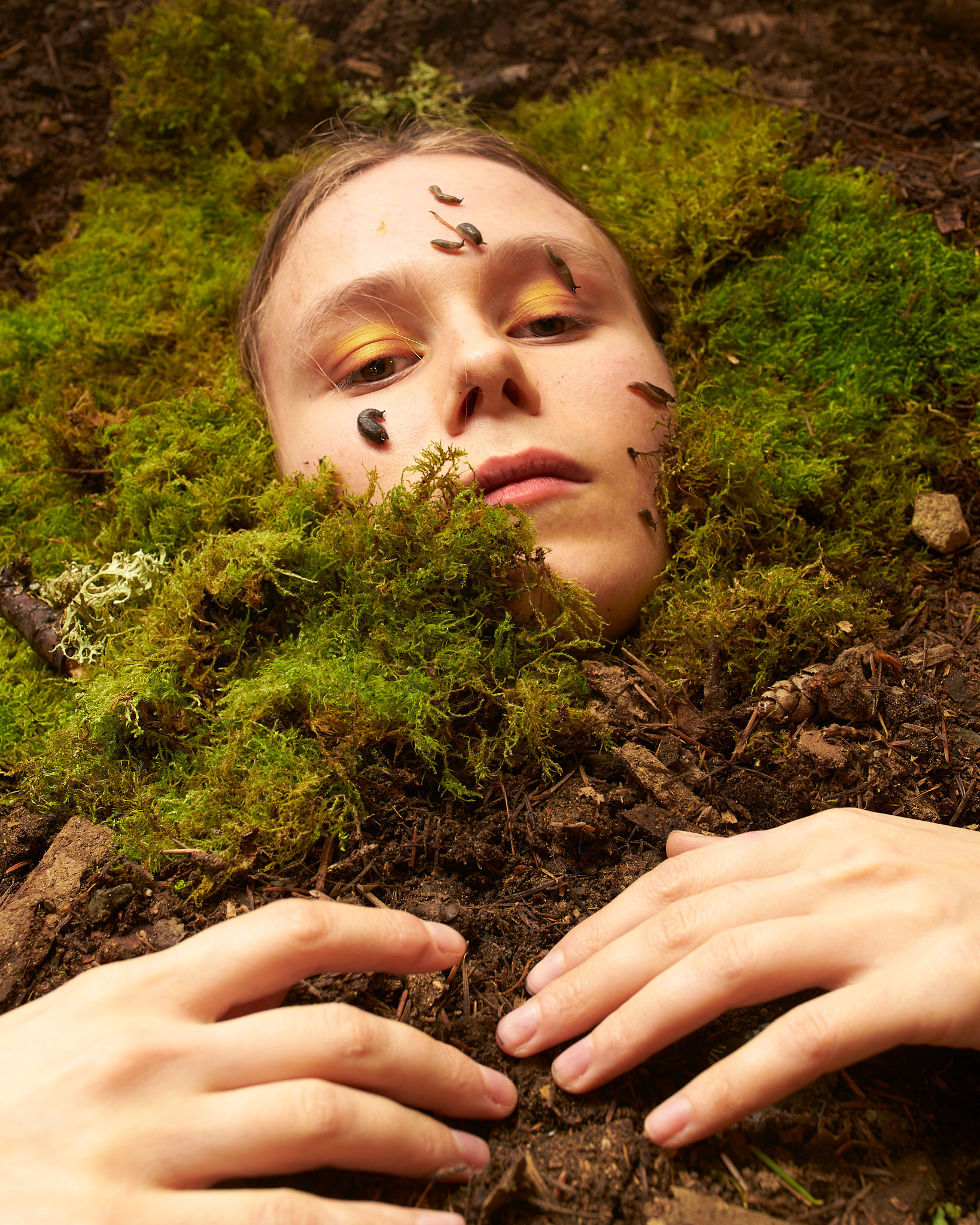
Thanks to the global horticulture industry, the Marsh Slug (Deroceras laeve) has evolved into two distinct organisms: a wild form and a greenhouse form. The species is native to Canada and to most of the USA, but scientists believe that the greenhouse form now exists on every continent except Antarctica. Pictured is the wild variety.
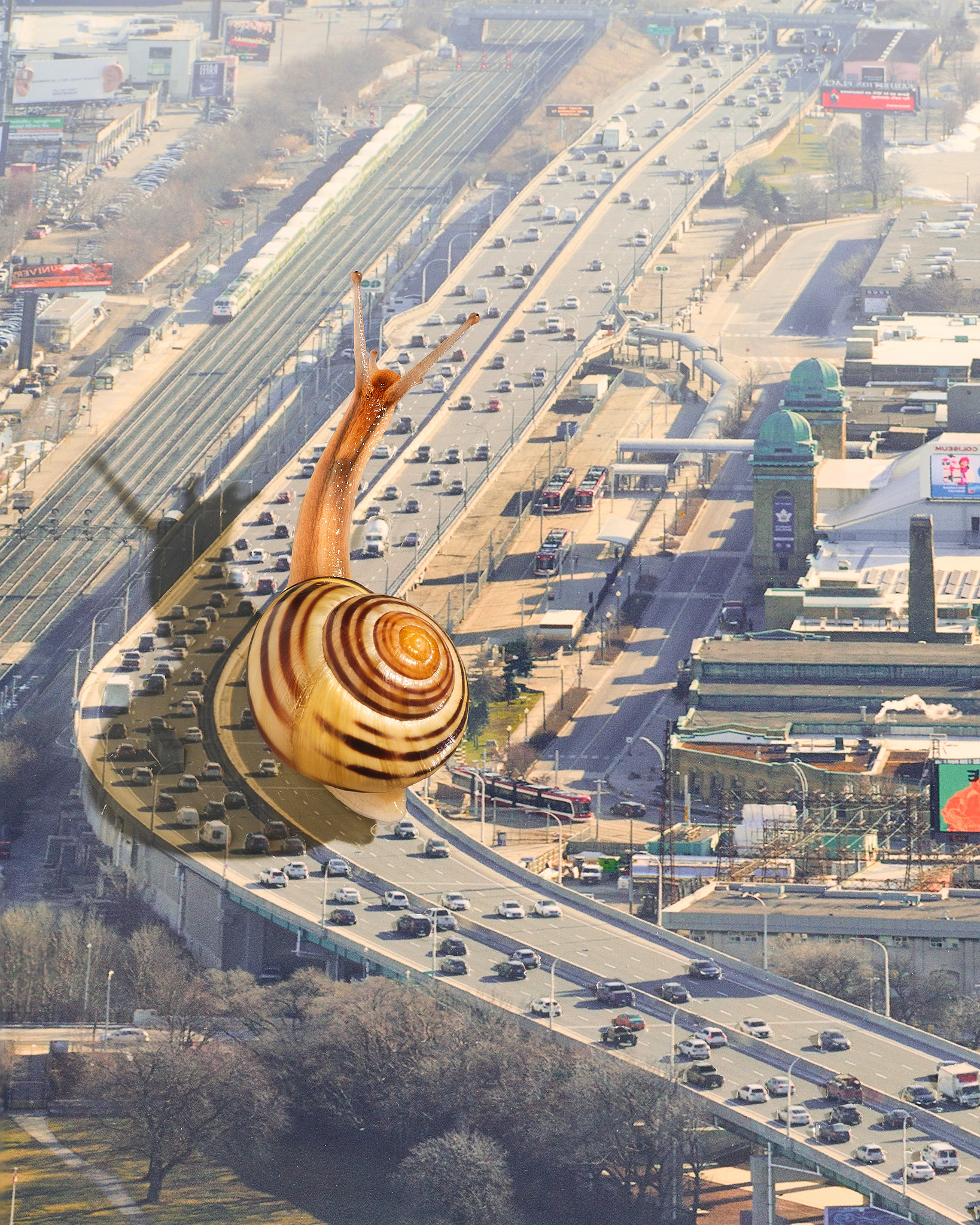
No one knows exactly when Grove Snails were first introduced to North America from Europe. In spite of being illegal to breed, sell, or import, “invasive” Grove Snails do not pose a major risk to food crops, to the horticulture industry, or to Canadian ecosystems (as far as we know).
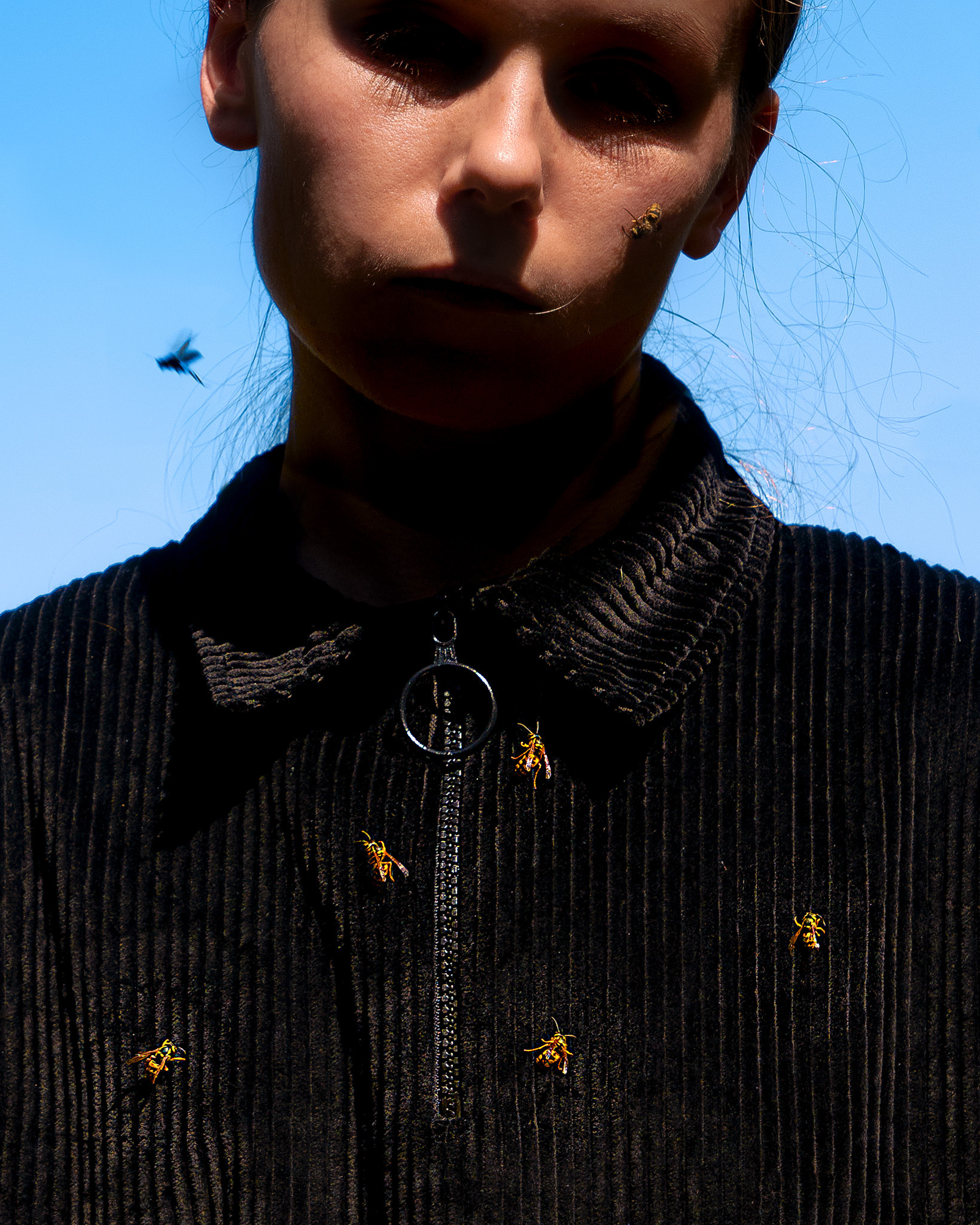
The assumption that outsiders are pitted against native/endemic species can distract us from making meaningful changes. Researchers who assume that a non-native species they are studying is going to have negative impact on the environment end up conducting inaccurate studies that skew toward their point of view. ‘Invasive species’ becomes a label used to justify policies that call for the extermination of animals we don’t like.
The recent discovery of North America's endemic wasp points to this bias. Vespula alascensis is a prolific wasp in North America, but it was only ‘discovered’ as a species in 2010. Before 2010 it was considered an exotic/invasive wasp native to Europe and China when it is, in fact, an entirely separate species endemic to Canada and the US.
Pest control is a multibillion-dollar industry, and yet there was little interest or funding available for studying one of North America’s most common ‘pests’ until 2010. Vespula alascensis is an important pollinator and predator in ecosystems running along the west coast of Canada and the US. In addition to having a taste for human food, their diet includes insects, spiders, and nectar from flowers. By dismissing these wasps as exotic pests, we allowed ourselves to believe that they do not belong in North America and should be righteously exterminated.
Is wilful ignorance simply an excuse to justify eradicating something we don’t like?
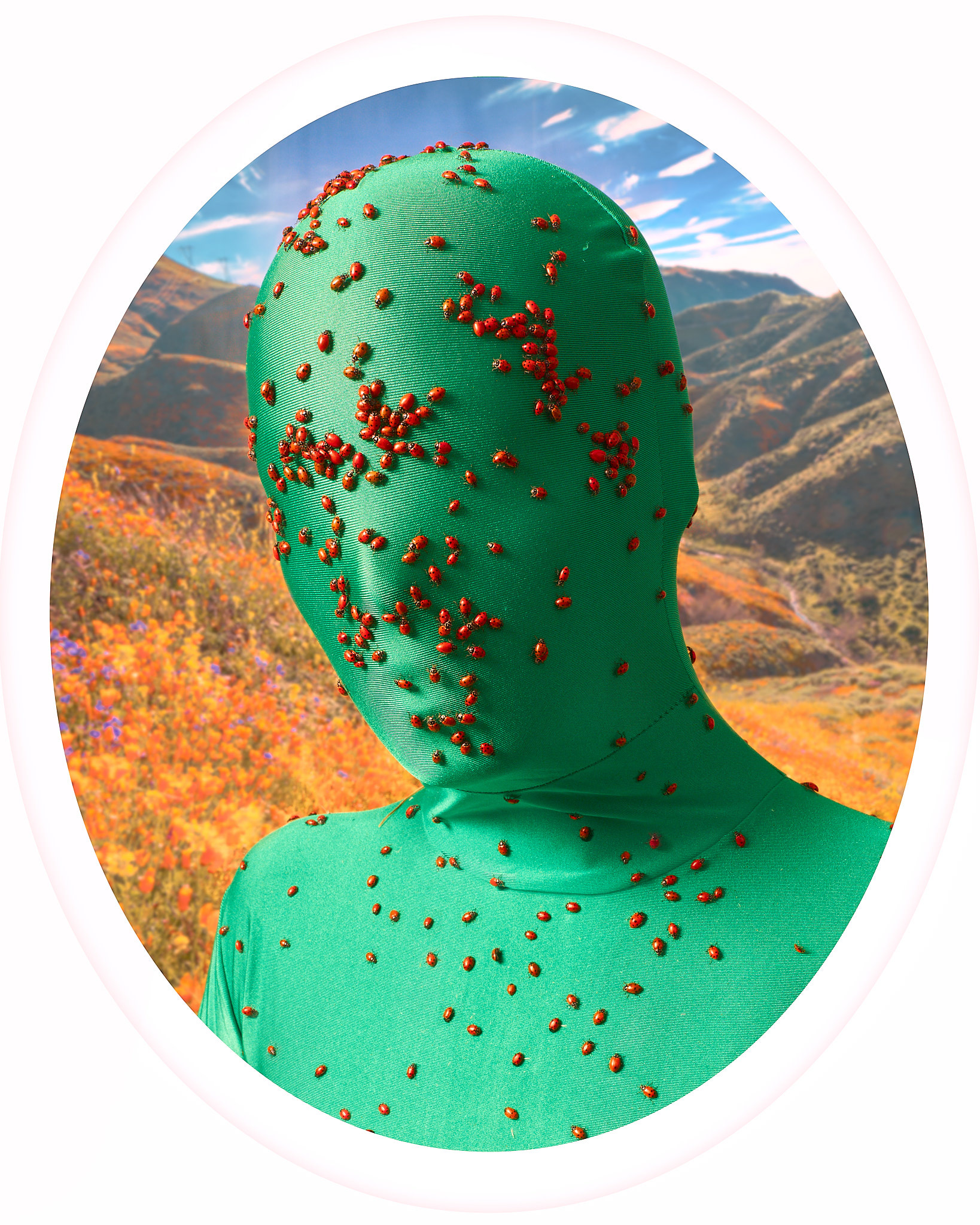
Maybe willful ignorance is partly to blame for our incomplete understanding of ecology. A systematic review of research conducted on threatened species found that research papers examining vertebrate species vastly outnumbered those conducted on invertebrates (2016). Vertebrate species, which tend to be charismatic animals like Tigers, Whales, and Polar Bears, make up a small percentage of known species on Earth: “there are roughly 60,000 known vertebrate species on the planet, but there are more than 1.2 million known invertebrates, with many more still left to discover and formally describe."
"What really leapt out at us was the magnitude of the bias towards vertebrate species,” says the head researcher, Michael Donaldson. “So the bias is not for a lack of availability, but for a lack of interest. … Those trends really persist among funding agencies as well. … Conservation policies also have a tendency to focus on large-bodied animals, especially vertebrates” (Donaldson).
As a society we are continuously making decisions about which species need to be culled or controlled, and which need to be protected and propagated. While our species has been consciously and unconsciously engineering the environment in this way for thousands of years, a new set of ethical questions emerge when dealing with genetically modified organisms.
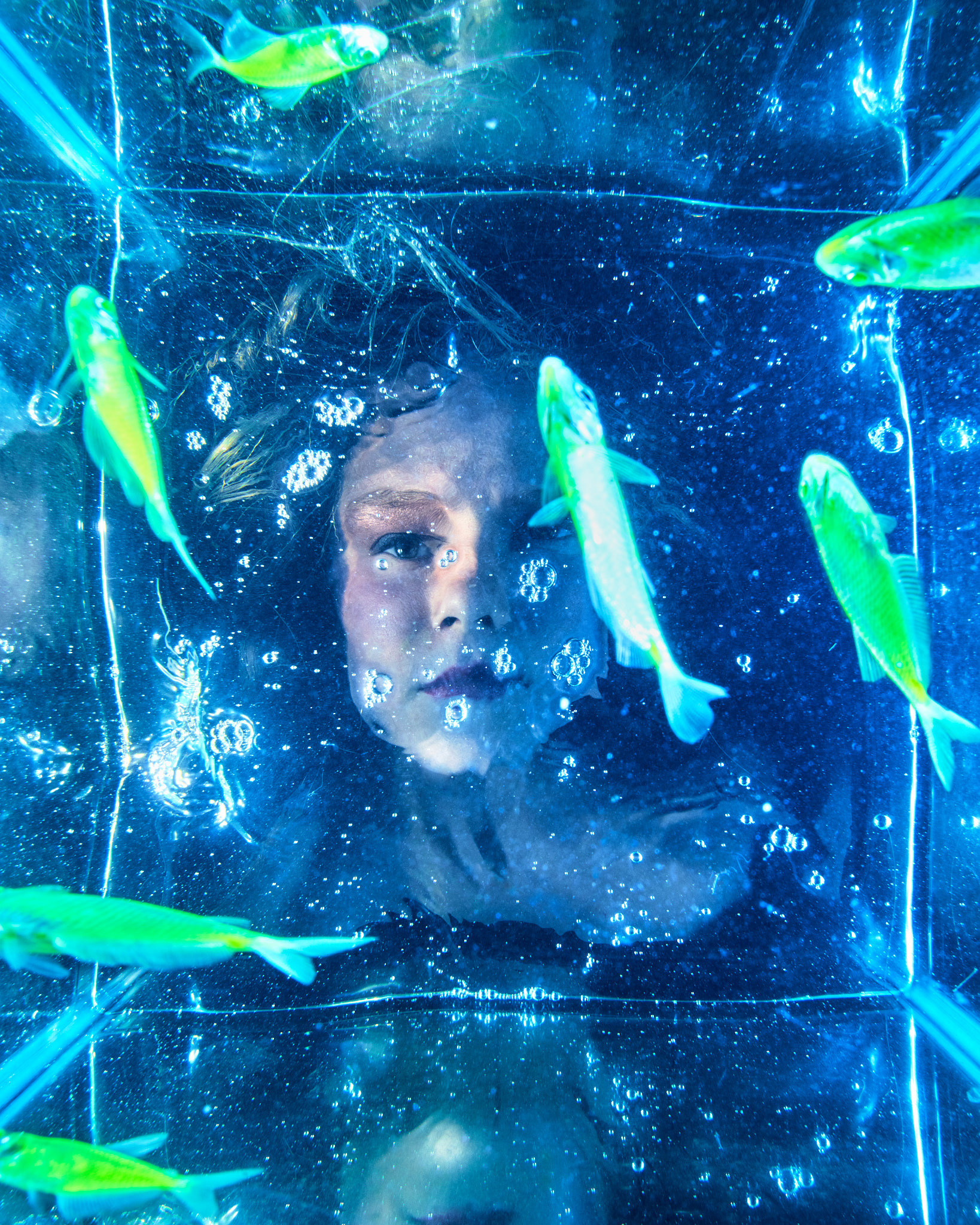
gloFish® are the first GMOs to be sold as pets. gloFish® were originally developed for an altruistic reason: to glow in the presence of certain toxins in water- but the patent for these genetically modified fish was eventually sold to a pet supplier.
The introduction of gloFish® into the US market in 2003 was met with protests and some controversy. Activists believe they set a dangerous precedent for frivolous exploitation of GMOs for profit. gloFish pass on their biofluorescent genes to their offspring.
Ideas of the “pristine Canadian wilderness” and “unnatural spaces” are fundamentally at odds with the real interactions between species in our parks, neighbourhoods and homes. If we do want to maintain stable ecosystems that nurture us, we have to work harder to actually understand all of what’s going on in these ecosystems right now.
'Animal Logic' was made with generous support from: